01
Demonstrate
A human demonstrates the task through teleoperation, giving the robot grounded examples of what good behaviour looks like.
Euporia / Robotics
We build software that lets existing robots learn new physical tasks from human demonstrations, handle real-world variation, and adapt with less specialist programming.
How it works
01
A human demonstrates the task through teleoperation, giving the robot grounded examples of what good behaviour looks like.
02
The demonstrations become training data for a vision-language-action policy that connects what the robot sees to the right motion.
03
Once trained, the robot repeats the skill autonomously and handles more variation than a rigid scripted workflow.
What we are building
Give robots new skills through examples instead of specialist programming.
Help existing robots adjust to new tasks, objects, and changing environments.
Reduce the human effort required for data collection, training, validation, and deployment.
Why it matters
Many valuable tasks remain difficult to automate with conventional robot programming. Every new product, object, or workstation adds engineering time and cost, leaving people to perform work that is repetitive, physically demanding, unpleasant, or dangerous.
Learning from demonstrations can make shorter production runs more economical, help manufacturers adapt faster, and extend automation to tasks that are too variable or costly to program conventionally.
Europe faces labour shortages, demographic pressure, and a widening technology gap with the United States and China. Building robotics and physical AI in Europe is essential to technological sovereignty: maintaining industrial capability and economic resilience while ensuring that these technologies reflect European priorities such as well-being, sustainability, and social responsibility.
Factories first / Orbit next
Industrial deployments on Earth build the software, operational experience, and data needed for more capable robotics. The same learning process can support future inspection, servicing, and assembly in orbit.
Founding team
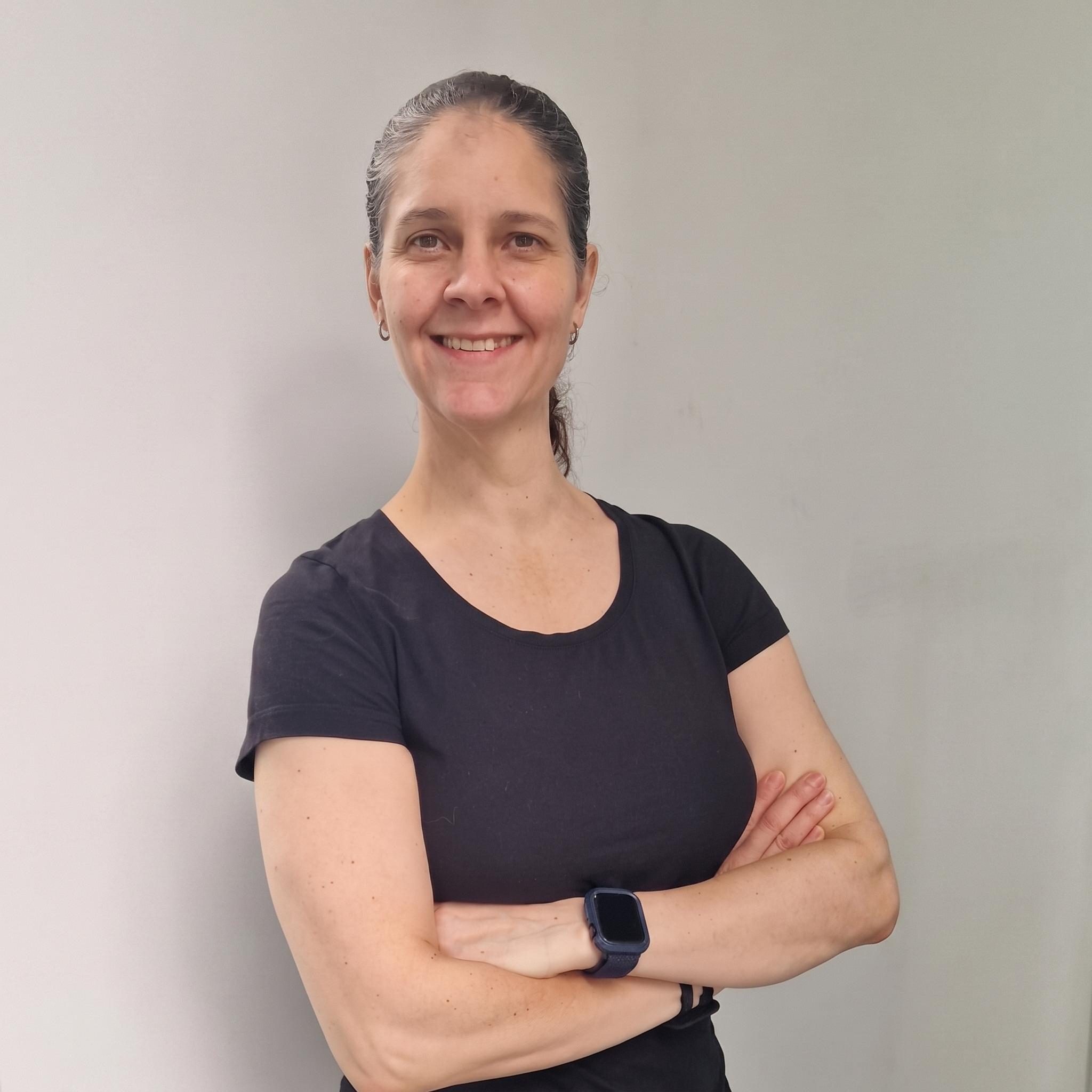
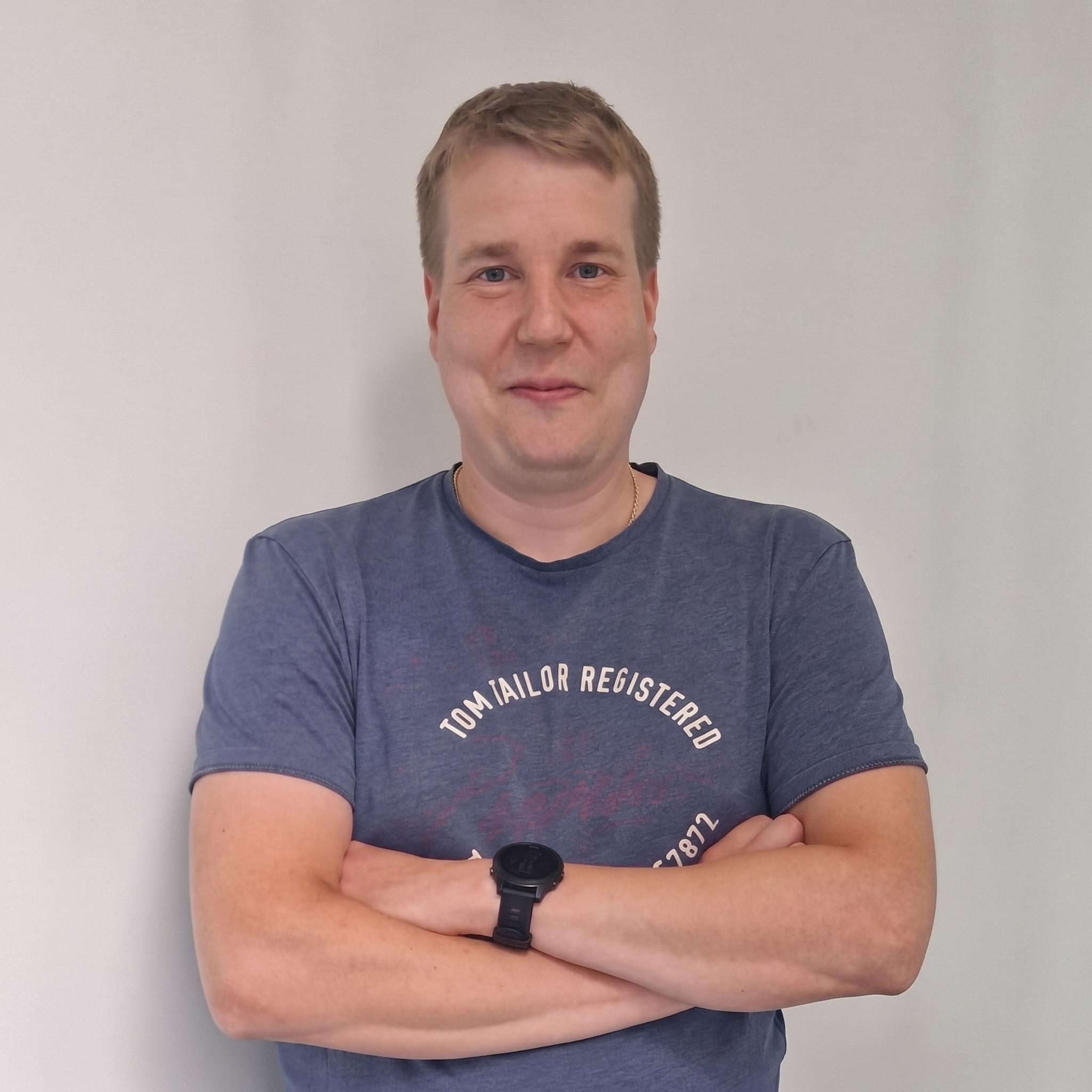
Euporia brings together hands-on robot learning, efficient machine learning, and space-systems expertise in Oulu, Finland.
Co-Founder
Robotics, teleoperation, and deployment
Co-Founder
Machine learning and training systems
Contact
We would like to hear from industrial partners, robotics and AI collaborators, early-stage investors, and engineers interested in joining the team.